What is Stretch Therapy?

Stretch Therapy is the name we give to the special work being developed by Aaron L.Mattes over the last 50 years. Stretch Therapy spans the entire technique called ‘active isolated stretching’ and ‘active isolated strengthening’. This technique is very useful right from rehabilitation to performance enhancement.

Stretch therapy comprises the following main elements:

Stretching
we use a number of techniques to improve the Range of Movement (ROM) of the body; nerves, fascia and muscles are used as ‘gateways’ to change the “movement map in the brain.

Re-patterning
inactive muscles are made active; knees, shoulders, and elbows are stabilized; posture and alignment are made more efficient.

Strengthening
the capacity of the whole body to exert force is the emphasis here; most of our techniques are body-weight only, and all involve the ‘core’.

Relaxation
the forgotten part of any health optimization program. Here, ‘relaxation’ is used in two ways: the first as a shorthand for techniques that enhance speed (any force-producing agonist needs its antagonist to relax equally quickly so that a limb, or a whole body, can move faster), and the second sense, the fundamental part of rejuvenation and regeneration practices.
Together, the Stretch Therapy elements enable anyone to improve flexibility, and to perform ordinary and extraordinary tasks with greater ease and better performance, and for longer in life.

Stretch Therapy is the safest, most efficient method for anyone to achieve grace and ease in daily life, and is suitable for most people.

Active Isolated Stretching: How it Works

There are two primary principles that provide the basis for how AIS works. The first is called reciprocal inhibition, which means that if you want to lift your arm, your nervous system has to shut off the muscles that bring your arm down. This means that AIS involves your nervous system in the stretch, making it easier for the muscles to elongate. The second principle is to hold the stretch for 1.5 to 2 seconds, and no longer. Research shows that holding a stretch for longer than 2.5 to 3 seconds will cause your body to engage a protective reflex. This stretch reflex will cause a muscle contraction in the muscle you are trying to stretch. It is therefore important not to hold any stretch to long, not even 3 seconds.
By not “tripping” the stretch reflex, you are able to get a gentle stretch, without the body fighting itself. The stretch is repeated 8 to 10 times in a set. The repeated “pumping” action of the muscle allows for increased circulation to the area. Because the stretches target highly specific areas of the body, AIS provides an efficient and effective stretch.

These specific movements also help relieve symptoms of stress. Stress touches all of our lives. Gentle stretching movements can invigorate the circulatory, respiratory and neuromuscular systems, which help alleviate many of the symptoms of stress.

Benefits of Active Isolated Stretching:

  • Improves flexibility
  • Helps to relieve muscle soreness
  • Reduces muscle spasm
  • Helps to address and reduce chronic pain
  • Reduces the risk of muscle strain and tearing
  • Helps recovery from injury
  • Helps to increase athletic performance
  • Helps to relieve stress
  • Improves oxygen and nutrient delivery to cells
  • Helps stimulate lymph circulation and elimination of cellular waste
  • Helps to maintain good posture
  • Helps to regain and maintain the full range of motion of a joint
  • Promotes balance in the body
  • Promotes healthy growth in children and youth
  • Prevent postural problems in pre-adolescent growth spurts
High Blood Pressure

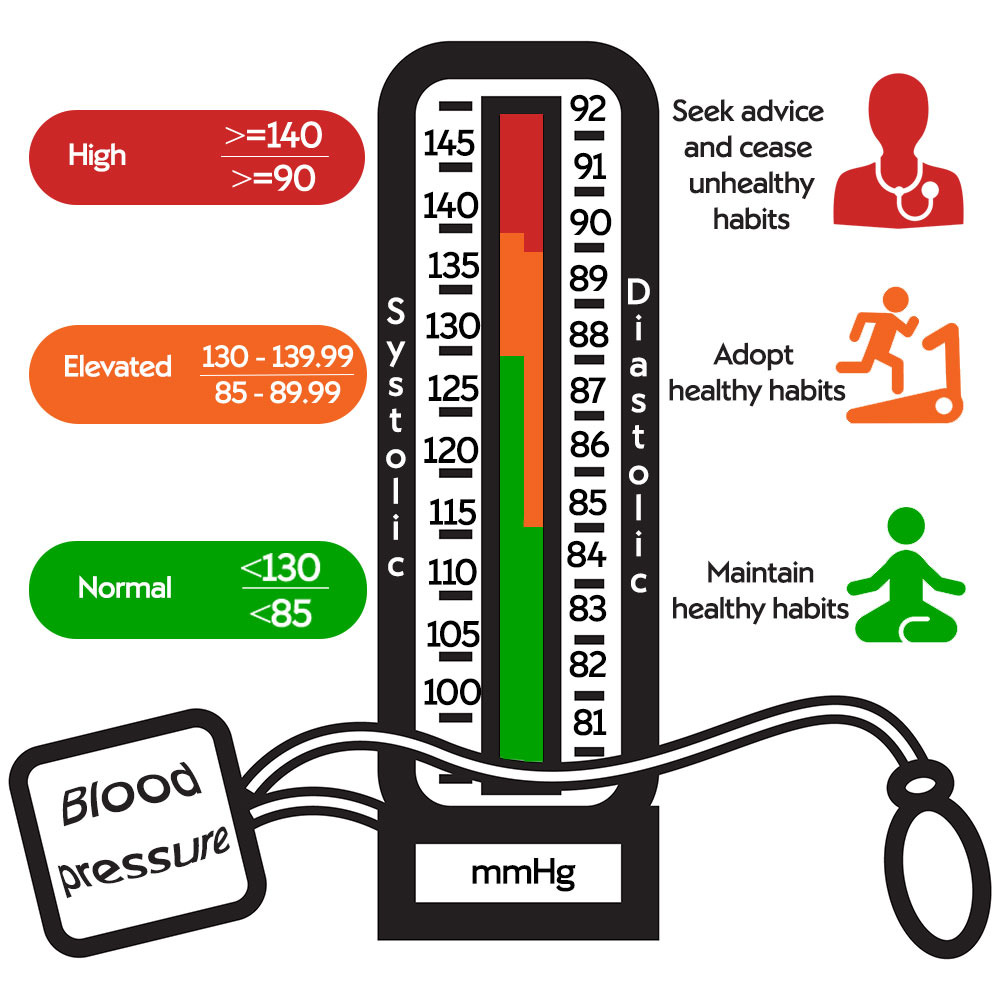
Brisk walking was always considered a good way to reduce blood pressure, but now some researchers have found that regular stretching can be a better method to control hypertension. They have also found that stretching is also beneficial for those who are still at risk of developing high blood pressure.

High blood pressure else described as hypertension, is one of the primary risk factors for getting heart – and kidney problems, which can result in fatality.

Therefore it is important to keep your blood pressure within normal levels, and even more important to understand how you can prevent hypertension.

A new study from the University of Saskatchewan (Usask) has found that stretching is more effective in lowering blood pressure than the formerly believed strategy of brisk walking and physical exercise. Participants were asked to do either 30 minutes of brisk walking or 30 minutes of stretching every day for eight weeks. With all the necessary strategies in place to make it a random trial, there was a more significant improvement in the blood pressure levels of those participants that stretched for 8 weeks versus the participants that did brisk walking for 8 weeks.

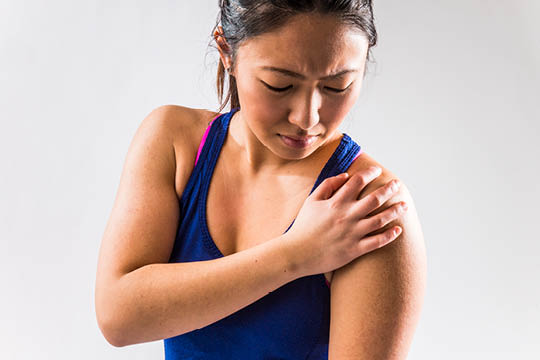
Shoulder Impingement Syndrome

Impingement syndrome is when the soft tissues in and around the shoulder joint are repeatedly jammed up by the bones around them. Typically, this occurs when the arm is about halfway to the overhead position. Impingement syndrome can limit your ability to lift the arm at all, or to use it with any force in that position, such as throwing a ball or writing on a whiteboard. Impingement syndrome usually involves inflammation of the rotator cuff tendons, in particular the supraspinatus tendon (supraspinatus tendinopathy or tendonitis), particularly in people over 40 years old. It can also involve inflammation of the subacromial bursa (subacromial bursitis) in people under 40 years old.

Treat This Condition with Active Isolated Stretching

There is usually consistent irritation in the subacromial region. Extrinsic causes such as an acromial spur, tendon calcification, a curved or hooked acromion, or acromioclavicular osteophytes may be present. Most frequently impingement involves the musculotendinous portion of the supraspinatus, the infraspinatus, the subscapularis, or the long head of the biceps.

Benefits of Using AIS

The program should include the entire shoulder AIS stretching program and emphasise shoulder sideward elevation, having the palm of the hand facing backwards. The strength program should include the rotator cuff muscles, shoulder stabilization exercises, and posterior shoulder adduction using a band or pulley and pulling downward toward the buttock, having the body face away from the mechanism of overload.

Source: StretchingUSA / APA

Hormones and pain

Can hormonal imbalances and low hormone levels cause muscle and joint pain?

Can Hormonal imbalances and low hormone levels cause muscle and joint pain?

Hormones and pain

Hormonal imbalances can indeed lead to muscle and joint pain.

In females the primary hormone responsible for joint protection and anti-inflammatory functions is Oestrogen.  But when Oestrogen levels drop during menopause inflammation can increase and the risk for degenerative changes like osteoporosis will go up. All this may cause painful joints.

In Males the natural ageing process in your body will also leave you with less Testosterone, but this can all be within a normal range, not causing you any problems.

However, it seems like a sudden drop in your testosterone levels will cause more problems than you might think. Some of the most common symptoms of lower levels are excessive fatigue, loss of sex drive, infertility, anxiety, depression, breast enlargement and weight gain.

You don’t have to be old to have a testosterone drop, our daily lives are very demanding. Bad sleeping habits, lots of stress, no exercise and anti-social patterns are major contributors to this problem.

When it comes to pain, Testosterone promotes bone growth and protects the bone significantly. Joint pain and low Testosterone aren’t necessarily related, but it’s possible to have both at once. Men who are obese are also at a greater risk of developing OA from excess pressure on the joints. However, Low Testosterone therapies are unlikely to relieve joint pain on their own. Feeling better usually involves treating both joint pain and low Testosterone simultaneously.

This brings us back to the real playmaker in the pain game, called cortisol.
With a drop in your ‘healthy’ hormonal levels like oestrogen and testosterone, your body will become under all sorts of stress, causing a rise in cortisol. High levels of cortisol can then cause your muscles to tense up and become painful. Increased levels of cortisol in the body are also known to make you more sensitive to pain, causing you to feel muscle and body aches and pains more easily.

What home remedies are there for muscle pain?  (Eileen Durward)

There are many lifestyle changes and self-help measures which can help to ease menopause muscle pain. These include:

Exercise. Regular but gentle exercise, such as walking, cycling or swimming can help to loosen muscle tension and lessen muscle pain. Exercise also releases feel-good endorphins. These are chemicals in the brain that act as natural painkillers. It can also improve your mood and the ability to sleep, which in turn reduces stress hormones in the body that cause your muscles to tense.

Stretching. Gently stretching your muscles can also help ease tension, stiffness and muscle pain. Mindful stretching, together with deep breathing, can also aid relaxation and reduce stress hormones in the body.

Magnesium. Low levels of magnesium in the body can cause muscle aches and muscle cramps. Magnesium is known as the relaxation mineral so it’s important to make sure you include foods which are high in magnesium in your diet, such as nuts and seeds, dried fruit, dark leafy vegetables and pulses such as beans and lentils. You can also take a magnesium supplement, either liquid magnesium or a magnesium citrate capsule – between 200 and 400mg a day.

Iron. Muscles aches can also be caused by low iron, so an iron tonic or supplement would also be worth trying. You could also try adding more iron-rich foods to your diet, such as red meat, eggs and dairy.

Diet. As well as eating magnesium and iron-rich foods, a well-balanced, nutrient-rich diet can help relieve stress, anxiety and muscles tension. Eating foods that are high in calcium and potassium can also help your muscles. Potassium, which can be found in avocados, sweet potatoes, spinach and bananas, can help with muscle relaxation, whilst calcium, which can be found in kale, broccoli, cheese, milk and almonds, helps promote muscle relaxation.

Heat. A warm shower or bath is great for soothing muscles as they are a natural muscle relaxer. A heat pad or hot water bottle wrapped in a towel can help ease tension and relieve muscle pain.

Good Posture. This is really an important point but is often ignored. If your joints, ligaments and tendons are affected this can alter your whole posture, pulling on your muscles and causing both joint and muscle aches at the same time. This can happen to any group of muscles but mainly the back, shoulders and hips. Muscle changes in the shoulders can also trigger tension headaches or migraines.

There is also the theory that strained muscles in the back or a change of spinal alignment could lead to hot flushes, so if both of these symptoms started around the same time they may be connected.

Massage. A deep-tissue massage can help increase blood circulation, reduce toxin build-up and soothe muscle pain, tension and stiffness; it can also promote relaxation and reduce stress.

All about the hips !

There are as much as 72 muscles surrounding your hips and upper leg. not even to mention the hordes of muscle structures that builds up from the hips into your back. When it comes to bones, the socket is made of three joined pelvic bones – the ilium, the ischium and the pubis. The hip joint is made up of four bones.

The hip bones, or os coxae, make up part of the pelvic girdle, which connects the lower limbs to the axial skeleton. Each hip bone is a large, flattened, and irregularly shaped fusion of three bones: the ilium, ischium, and pubis.

The pelvis refers to the lower abdominal area, with the main function of this bone structure being protection and support. It protect all the internal soft tissues and organs as well as giving support to the hip joints.

The pelvic floor is like a “mini-trampoline made of firm muscle,Just like a trampoline gymnasts would use, the pelvic floor is flexible and can move up and down with the forces it receives from walking , running and daily activities.

According to the American Association for the Surgery of Trauma, about 8 to 9 percent of blunt trauma includes pelvic injury, Gillogley says. “These accidents include falls, motor vehicle crashes, bicycle accidents, and pedestrians being struck by moving vehicles. With these serious injuries, pelvic bones can fracture or dislocate and sometimes bladder injury even occurs.

How to take care of the Hips?

For prevention of pain and injury keep them MOBILE AND STRONG !

See these exercises on a video from Adarsh Williams