Chronic Musculoskeletal Conditions and AIS Clinical Stretch Therapy

The human body is absolutely incredible, but the potential of the body to function optimally, to regenerate and also work right to the core of a matter or address the source or origin of a problem, condition, or chronic musculoskeletal conditions has been largely untapped. It is yet to be fully explored what the body can accomplish in this regard with the right assistance, treatment, and continuous exposure to holistic treatment that is focused on the root of the matter rather than symptomatic relief only.

Chronic musculoskeletal conditions encompass a wide range of disorders affecting the muscles, bones, joints, and connective tissues. These conditions, which include osteoarthritis, rheumatoid arthritis, fibromyalgia, and chronic back pain, can significantly impair one’s quality of life, leading to chronic pain, functional limitations, and psychological distress.

Chronic musculoskeletal conditions are characterised by long-lasting pain and dysfunction. They can result from various factors, including age, genetics, physical activity levels, and lifestyle choices. These conditions are prevalent worldwide, with millions of individuals affected, making them a major public health concern.

When touching on the concept of the root of the matter. Let’s look at the following analogy to elaborate a bit more about the approach to getting to the cause of a matter and to put a plan in place that works towards the desired goal and works towards a better quality of life. Better mobility, range of motion and a sustainable treatment and maintenance plan.

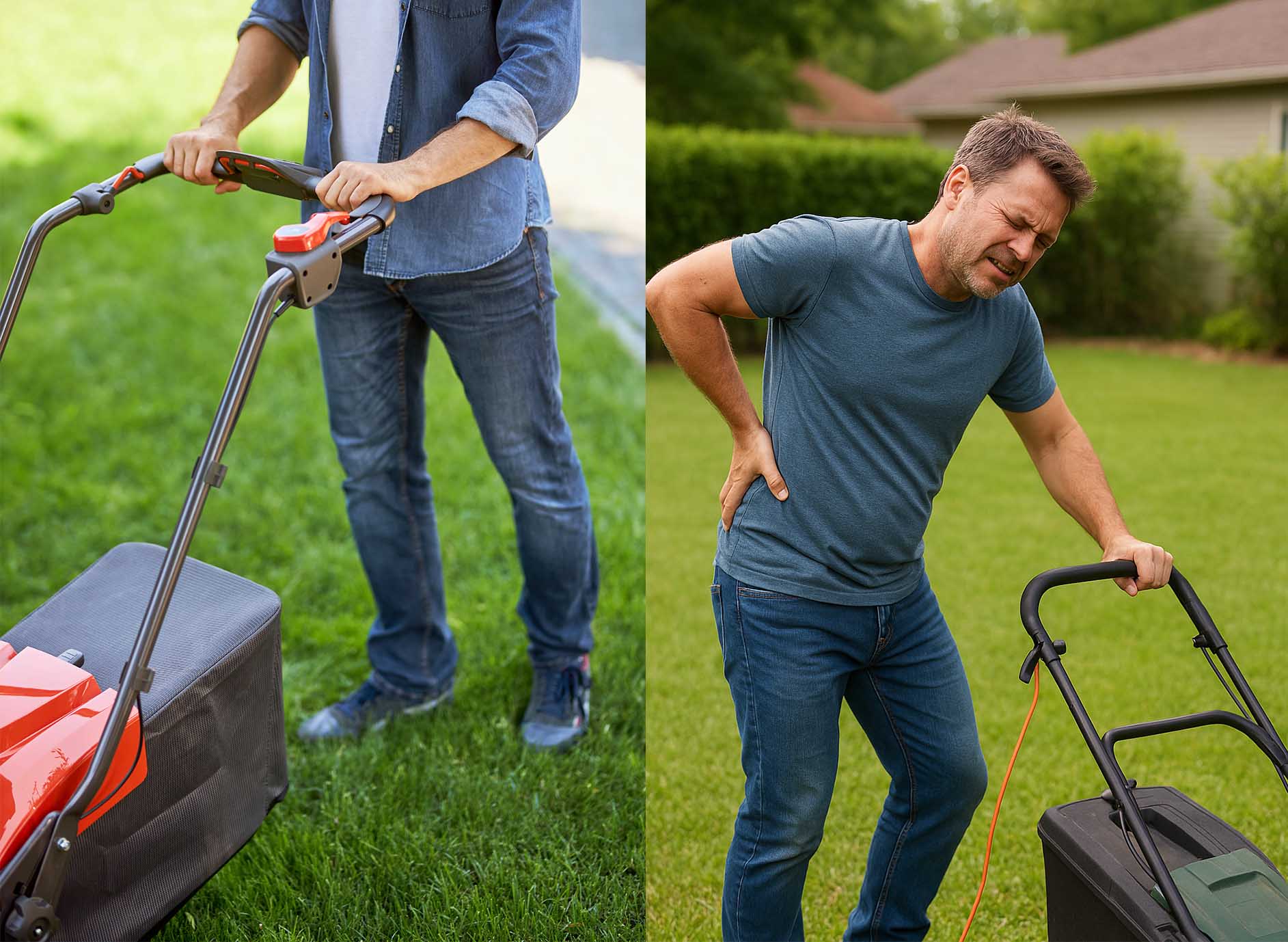
When spring has commenced and the rainy season is on the way, it is hard to miss the hard work that goes into gardening. From getting the grass green, giving the right feed and even the right pest control in place. The fact is, that a beautiful garden needs to be attended to right through the year and an experienced gardener will be able to explain what needs to be done through all four seasons to ensure a green lawn, to get rid of pests or weeds and that these treatments are important though all seasons, not just above the surface, but below the surface as well. From quality soil to issues way beneath the surface. Just like gardening, you get the avid gardener following layers upon layers of hard work, all year round. Steps are being followed, and a plan is in place. It is interesting to see that yellow or brown looking grass can be “painted” green with new technology or even just replacing real grass with synthetic grass. What is the main point of this analogy? Anything worthwhile is worth investing in over the long haul. Societies have become accustomed to a quick fix in everything, or just giving up. Like a homeowner removing all greenery and paving all around.

Active Isolated Stretching might just be that one process approach to a better quality of life regarding Musculoskeletal Conditions that you have not considered.  Maybe you have considered painting the grass green or just paving around the whole yard, while your dream was having weekly family picnics on a green lawn.

Our Active Isolated Stretch Therapists will be honoured to have the opportunity to address symptoms that have inhibited your dreams.  If it is, running your next 5km race, returning to the gym again or sitting behind your work desk with less discomfort and a treatment plan in place to get to where your body can be again. Do not let Musculoskeletal Conditions have the final say on your quality of life. Give your body the tools to do what it can do again and have a better quality of life.

Pain Management

A 2007 study conducted in a rural community in the Eastern Cape, South Africa, indicated that 4% of the country’s 50 million people are affected by some form of disability. This means that nearly 2 million individuals experience pain as a result. These figures refer to disabilities rather than impairments. Pain has a profound impact on basic functionality and can affect people of all ages and backgrounds. Fortunately, various treatment options are available to address pain caused by different conditions or challenges. While medical professionals and health practitioners may have differing approaches to treatment, their ultimate goal remains the same: to manage pain. The ideal outcome, of course, is to eliminate pain entirely whenever possible.

To better understand pain management, consider the following analogy: Imagine a house emitting smoke. You could open windows or turn on fans to reduce the smoke, but unless you identify and extinguish the source of the fire, the smoke will persist or return. In this analogy, the smoke represents pain and its symptoms, while the fire symbolizes the underlying cause of the pain. Just as a firefighter prioritizes locating and extinguishing the fire rather than simply dispersing the smoke, effective pain management should focus on addressing the root cause rather than just alleviating symptoms.

Many pain treatment methods focus on reducing symptoms rather than identifying and resolving the underlying issue. However, long-term reliance on pain medication is not a sustainable solution. Imagine if pain could be managed the way a problematic appendix is removed—once the source of the pain is eliminated, the pain does not return. What if the permanent resolution of pain became the norm rather than the exception?

Acute vs. Chronic Pain

It is important to distinguish between acute pain and chronic pain, as they require different treatment approaches.

ACUTE PAIN

Acute pain serves as a warning signal, alerting you to an underlying issue. For example, if you break your arm, the pain directs your attention to the injury. Once the broken arm is treated, the pain subsides. Addressing the root cause of acute pain typically results in its resolution.

CHRONIC PAIN

Chronic pain, on the other hand, persists for extended periods and can significantly impact immune function and overall health. Unlike acute pain, chronic pain cannot be effectively treated with short-term pain relief methods. Unfortunately, our current medications are primarily designed for managing acute pain rather than providing a cure for chronic pain. Any pain lasting longer than three months is classified as chronic pain and requires a comprehensive approach to treatment.

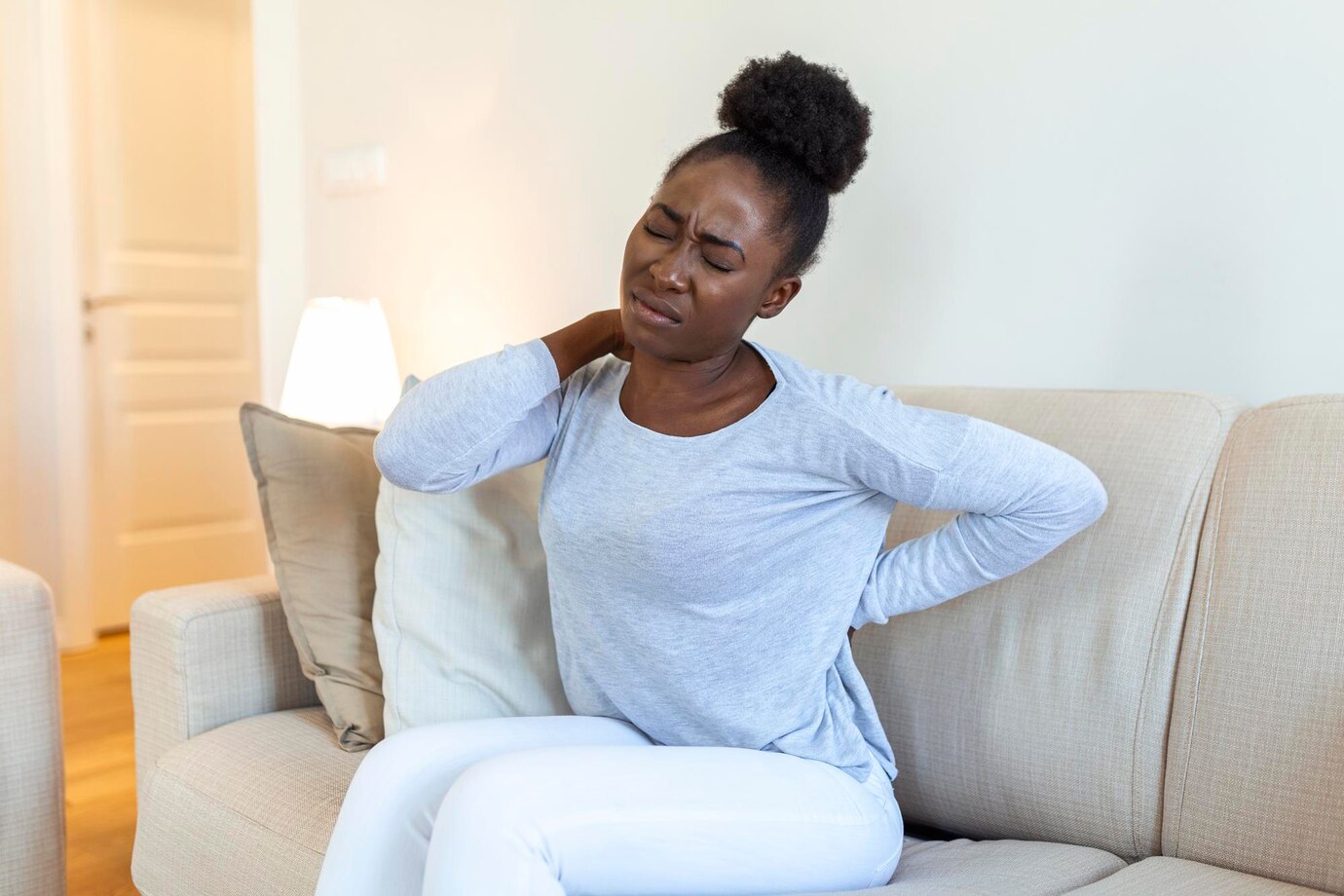
Pain is a complex issue that can lead to significant discomfort, reduced quality of life, and decreased productivity. This raises an important question: “Are you moving poorly because you are in pain, or are you in pain because you are moving poorly?”

Do not ignore the warning signs—pain is your body’s way of signalling that something needs attention. Instead of merely suppressing the symptoms, take the time to understand the underlying cause. Effective pain management is essential for maintaining overall well-being.

Make us a part of your pain management journey. Contact your nearest AIS Stretching Therapist to schedule an appointment today.

A Path to Pain Relief and Mobility

Active Isolated Stretching for the Head and Neck

The head and neck are among the body’s most crucial yet vulnerable parts, often subjected to tension, stress, and poor posture. As we spend more time in front of screens or sitting in awkward positions, issues like neck pain, stiffness, and headaches become common complaints. Fortunately, Active Isolated Stretching (AIS) offers an effective solution for improving flexibility, reducing discomfort, and promoting better movement in this area.

Understanding Active Isolated Stretching (AIS)

Active Isolated Stretching is a technique that involves holding a stretch for only 2 seconds at a time, repeated several times in a controlled and precise manner. Unlike static stretching, which involves holding a stretch for an extended period, AIS focuses on activating the muscle being stretched by contracting the opposite muscle, allowing for a deeper, more effective stretch. This approach increases blood flow, improves flexibility, and prevents injury.

AIS for the Head and Neck

The muscles in the head and neck are responsible for a wide range of functions, including movement, posture, and even breathing. Poor posture, especially from hours of desk work or looking down at a phone, can lead to tightness in these muscles, resulting in headaches, neck stiffness, and discomfort.

AIS can be especially beneficial for targeting these areas because it allows for precise, isolated stretches that relieve tension without overstretching the muscles. By focusing on small, deliberate movements, AIS can help unlock areas of restriction in the neck and head, restoring flexibility and reducing pain.

For example, one commonly used AIS technique for the neck involves gently tilting the head toward one shoulder while contracting the opposite side of the neck. This helps to release tight muscles and increase the range of motion without putting excessive strain on the neck.

Benefits of AIS for the Neck and Head

  1. Improved Flexibility: Regular AIS practice can enhance the flexibility of the neck muscles, helping to alleviate tension and improve posture. This is especially helpful for individuals who suffer from “tech neck,” a condition caused by prolonged forward head posture.
  2. Pain Relief: AIS helps to reduce muscle tightness and discomfort, providing relief from common issues like neck stiffness, tension headaches, and general soreness in the head and neck area.
  3. Increased Blood Flow: The short, active stretches stimulate blood circulation in the muscles, promoting healing and reducing inflammation, which can speed up recovery after a long day or a strenuous activity.
  4. Better Posture: By improving the flexibility and strength of the neck muscles, AIS can contribute to better overall posture, which reduces the risk of developing chronic neck pain and other related conditions.

Conclusion

Active Isolated Stretching is a powerful tool for anyone looking to improve the flexibility, mobility, and overall health of their head and neck. By incorporating AIS into a regular fitness or rehabilitation routine, individuals can experience reduced tension, pain relief, and enhanced movement, helping them lead more comfortable and active lives. Whether you suffer from chronic neck pain or simply want to maintain flexibility, AIS offers a safe and effective solution.

Rebuilding Shoulder Health

Tips for Overcoming Subscapularis Pain

Shoulder pain can slow you down, whether reaching for something on a high shelf or enjoying your favourite sport. One common source of discomfort is the subscapularis, a muscle in your rotator cuff that helps with shoulder stability and internal rotation. Injuries to this muscle often result from repetitive movements, overuse, or poor posture. The good news? Recovery is possible with the right mix of professional care, stretching, and strengthening.

The Role of AIS in Shoulder Recovery

Our practice uses Active Isolated Stretching (AIS) as a cornerstone of recovery. It helps increase flexibility and reduce tension without overstretching the muscle. The short duration of each stretch is key—it allows for safe and effective elongation of the muscle fibers.

Strength Matters Too

While stretching is vital, rebuilding strength in the shoulder is just as important. A strong subscapularis muscle can handle daily activities and sports demands while protecting against future injuries. Our therapists incorporate targeted strengthening exercises to complement the flexibility gains from AIS, ensuring a well-rounded recovery.

Tips for Better Shoulder Health

Here are a few simple, actionable tips to keep your shoulders healthy and pain-free:

Listen to Your Body: If you notice discomfort or tightness, don’t ignore it. Early intervention can prevent minor issues from turning into bigger problems.

Mind Your Posture: Many shoulder issues start with poor posture. Keep your shoulders relaxed and your back straight, especially during desk work.

Stay Active Safely: Regular movement helps maintain joint and muscle health. Choose low-impact exercises like swimming or walking to keep your shoulders in shape without strain.

Recovery Is Key: Give your shoulders a break! Overuse is a common cause of injuries. Make sure you balance activity with proper rest and care.

Treat Yourself: A Relaxing Shoulder Routine

Here’s a simple way to give your shoulders some love at home:

  • Heat Therapy: Use a warm towel or heating pad on your shoulder for 10–15 minutes to relax tight muscles.
  • Self-Massage: After your heat treatment, gently roll your shoulders backwards and forward to release tension.

Let Us Help You

Whether recovering from an injury or just maintaining your shoulder health, we’re here to support you. With professional AIS and a tailored strengthening plan, you can feel confident and pain-free!

Reach out to us today to take the first step toward stronger, healthier shoulders!

Lateral Epicondylitis – Elbow Pain!

Lateral Epicondylitis, commonly known as Golfers’/Tennis’/Swimmers’ and recently, Padel Elbow is a common condition associated with the inflammation of the tendons that bend your wrist backwards away from your palm. These tendons can become damaged from overuse and repetitive movements such as those found in Golf, Swimming, Tennis & Padel. This will lead to pain and tenderness felt on the outside of the elbow, often affecting an athlete’s performance.

Lateral epicondylitis involves the forearm muscles and tendons responsible for the extension of your wrist and fingers. The forearm tendons — often called extensors — attach the muscles to bone. The tendon usually involved in Padel elbow is called the extensor carpi radialis brevis (ECRB), which attaches the forearm muscle to the lateral epicondyle. When this tendon becomes inflamed, surrounding muscles will compensate and tighten, often leading to pain, stiffness and decreased mobility felt from the shoulder to the wrist, which usually affects game performance.

It is important to ensure that the structures surrounding and supporting the elbow are in good health in terms of mobility, flexibility and strength. If these structures are not in good health, it can further the effects of lateral epicondylitis.

StretchingSA can help negate the effects of Padel elbow by improving the surrounding structure’s flexibility, mobility and strength. Stretch Therapy will also target the lateral elbow and assist in rehabilitating the ECRB to improve functionality, improve muscle elasticity and improve blood flow. Stretch therapy is also a “pre-hab” (before needing rehabilitation) method as we assist you in improving your mobility and flexibility, keeping your movements pain-free to avoid injuries such as Lateral Epicondylitis.

Make an appointment with StretchingSA today to treat or avoid elbow problems so that you can be at the top of your game!

Below is some common exercises to help relieve elbow pain